
Analysis
How to Optimize an Automotive Brand’s Investments with Econometrix
Market Landscape: The Battle for Market Share in a Saturated Category
The automotive market in Slovenia is one of the most aggressive and media-saturated industries. In the first half of 2026, as many as 49 different brands sold more than 30 vehicles each. In such an environment, conventional “broad reach” advertising (maximizing reach at the lowest possible cost) is a recipe for significant media waste.
For brands, the question is no longer whether to advertise, but how precisely and strategically they allocate their budget. The brands that succeed are those that distribute their budget across channels and media based on the actual media profile and purchase affinity of their target audiences.
1. Setting the New Budget: Putting an End to Guesswork in Annual Planning
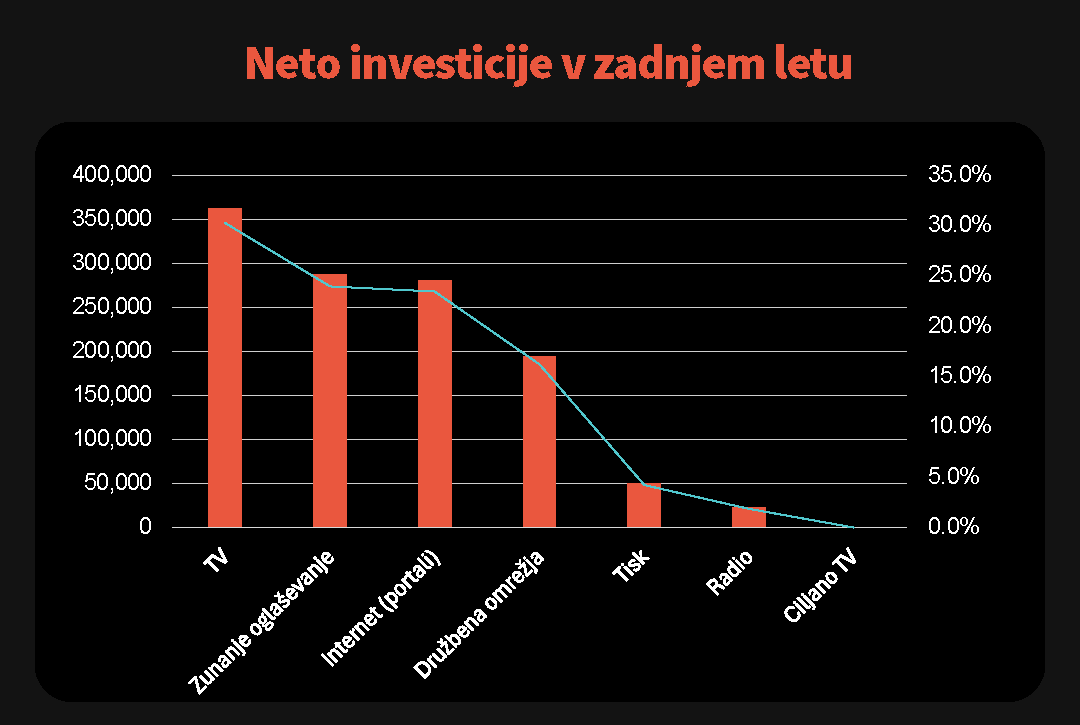
In the previous year, the advertising budget of the automotive brand under analysis amounted to €1,198,552. The brand’s SOV/SOM ratio was favorable (index 96), but the analysis revealed below-average brand perception in the market (perception index 90). The brand’s strategic objective for the coming year is to increase its market share by 4 percentage points.
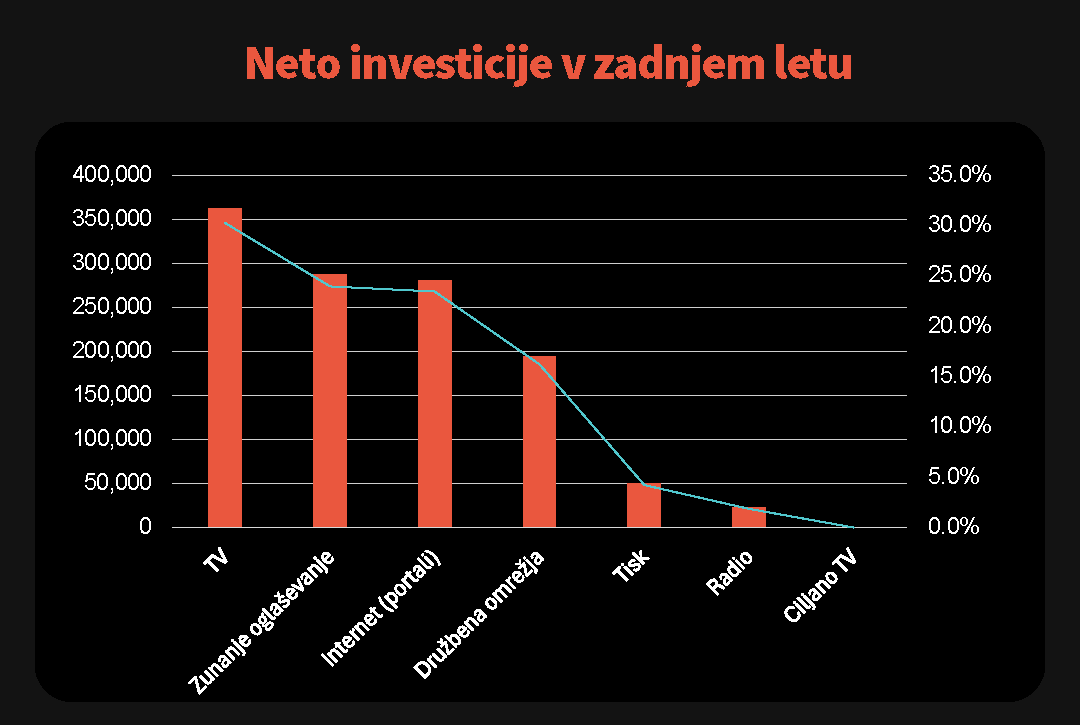
Instead of relying on guesswork or applying a blanket budget increase of “x percent,” Econometrix uses a precise econometric calculation that takes into account key market data about the brand. Based on the data above, the optimal budget for the next period would be €1,320,360. The data therefore provides us with a robust mathematical framework that company management can directly justify to the executive board and finance department.
2. Data-Driven Definition of Target Audiences and Purchase Potential
In the example shown, we focused the strategy on the overall brand. Using Perceptix (a study of brand and competitor perception) together with an analysis of purchase potential, we identified three primary target audiences:
Current brand users (Priority 1): 246,000 individuals. The primary objective is customer retention and brand loyalty.
Users of direct competitor brands (Priority 2): 531,000 individuals who own a car between 4 and 9 years old and drive brands for which Perceptix identified a genuine affinity to switch to our brand.
Potential new-car buyers (Priority 3): 398,000 individuals who are planning to purchase a car within the next two years and currently drive a brand for which there is a genuine affinity to switch to our brand.
By eliminating overlap in this way, we target 940,000 individuals (57% of the active population aged 18 to 75).
Note: The concept could also be structured modularly, with separate analysis and profiling for individual models or model groups (SUVs, city cars, electric vehicles).
3. Calculating Media Profiles: When Does a Channel Actually Drive Sales?
For each target audience, we calculated the shares and affinities across individual communication channels. The econometric model takes into account not only “reach,” but also:
Advertising visibility across channels,
Actual response to advertising,
The impact of each channel on the final purchase decision,
Media-neutral quintiles.
The differences in channel effectiveness across individual target audiences were significant. This demonstrates that a standardized, one-size-fits-all approach to media buying is one of the biggest mistakes in modern advertising.
4. Dve strategiji optimizacije investicij (Scenario Planning)
Econometrix enables the simulation of different market scenarios depending on the current position and performance of the brand:
Scenario A: If the Brand Has Performed Well in the Past (Starting Point: Own Budget)
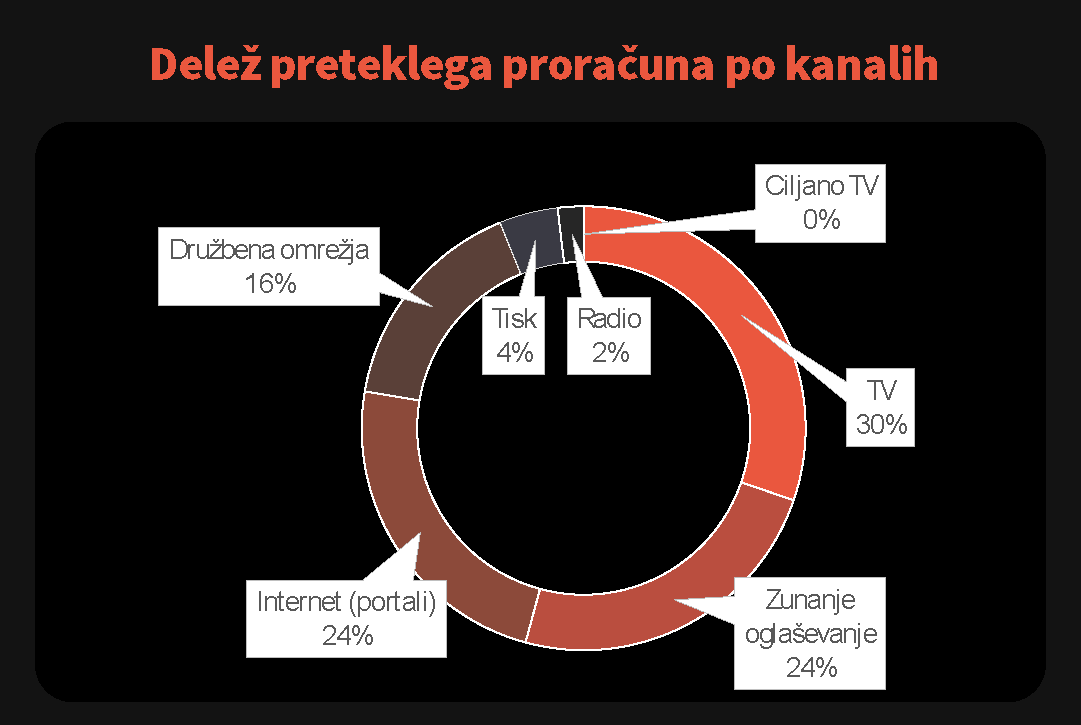
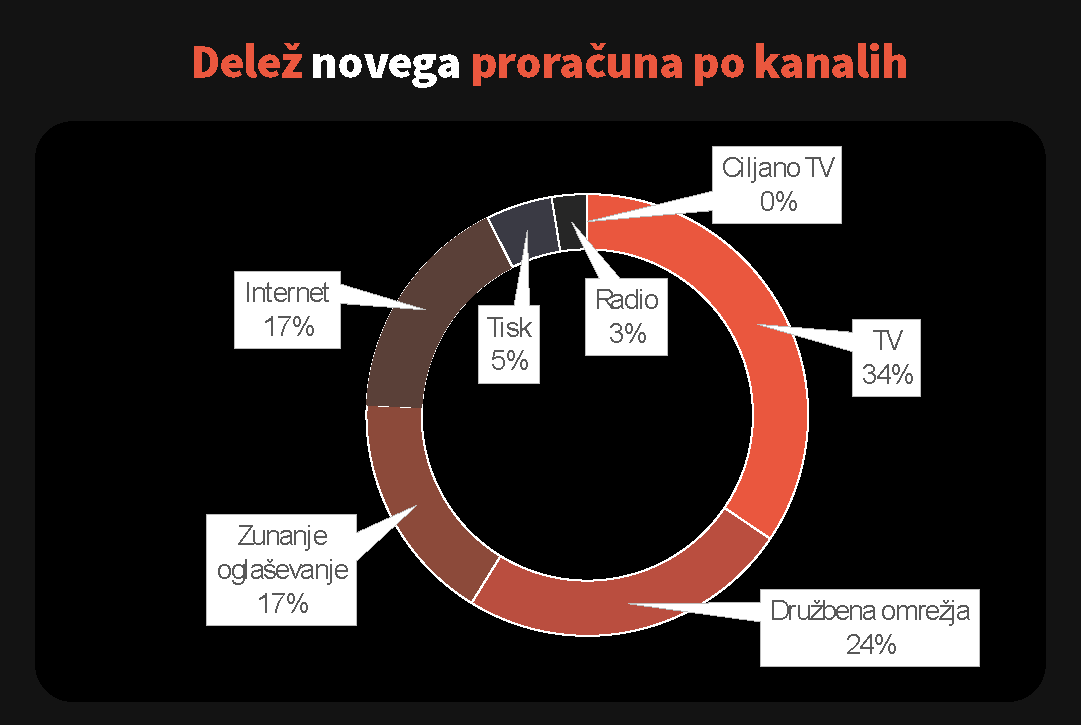
We start with the historical budget allocation but optimize it based on the new media profiles and purchase affinity of the target audiences. Adjustments while maintaining the same overall budget reveal clear opportunities for greater efficiency:
+50% more investment in social media
+38% more investment in radio
+14% more investment in television and print
-28% less investment in traditional online advertising (eliminating untargeted impressions)
-29% less investment in out-of-home advertising (OOH)
Scenario B: If the Brand Has Performed Less Successfully in the Past (Starting Point: Competitors’ Budgets)
If the brand needs to be repositioned, we use the media mix of the TOP 5 competitors in the industry as a starting point and then adjust it based on the data:
+160% more investment in radio
+73% more investment in television
+34% more investment in print
-54% less investment in traditional online advertising
-59% less investment in out-of-home advertising
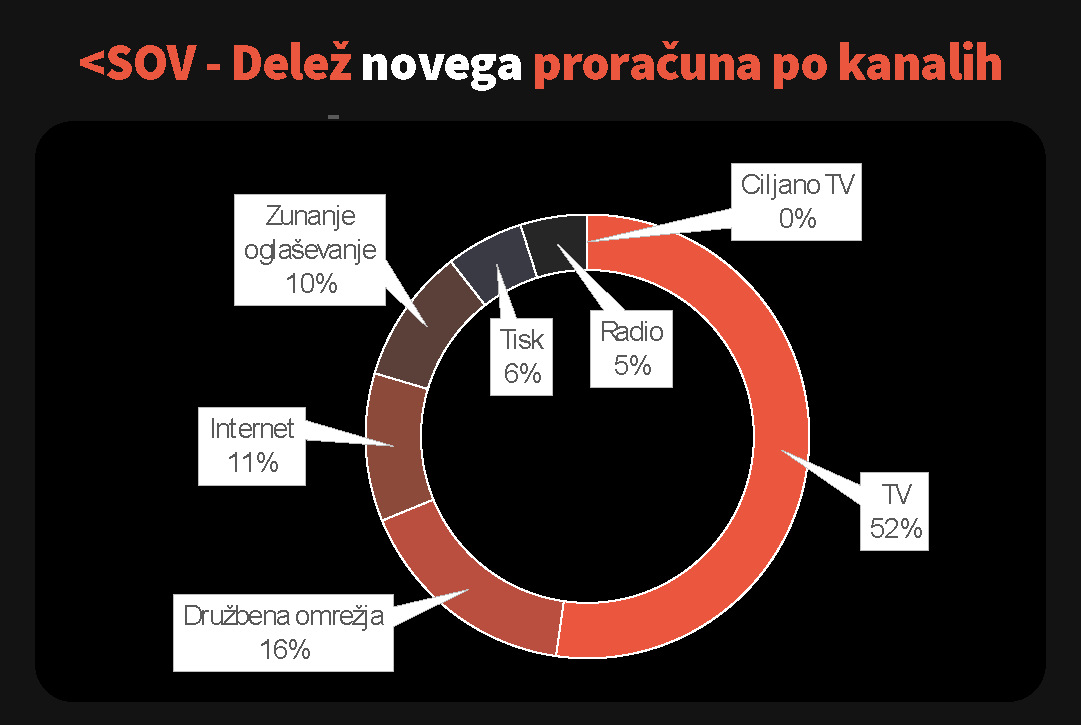
5. Fine-Tuning by Media Outlet and TV Broadcaster
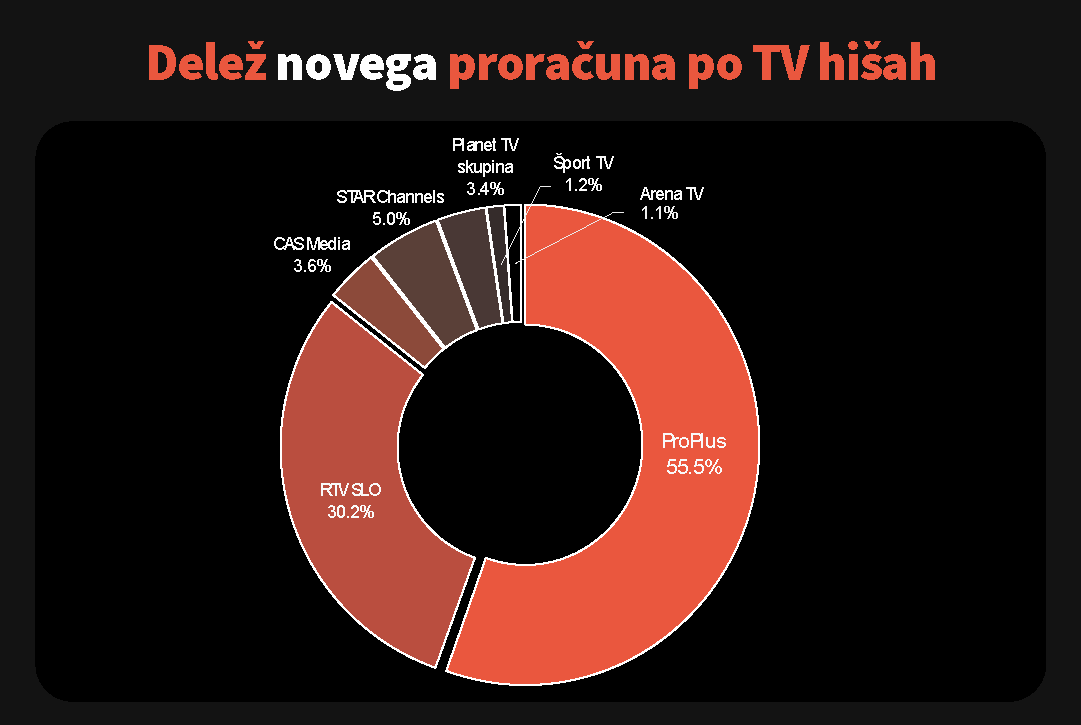
Once Econometrix determines the optimal budget by channel, it enables an even deeper level of optimization: allocation across specific media outlets and media companies. The model cross-references data on viewership/traffic, advertising costs, and the target audience’s affinity for specific programming schedules.
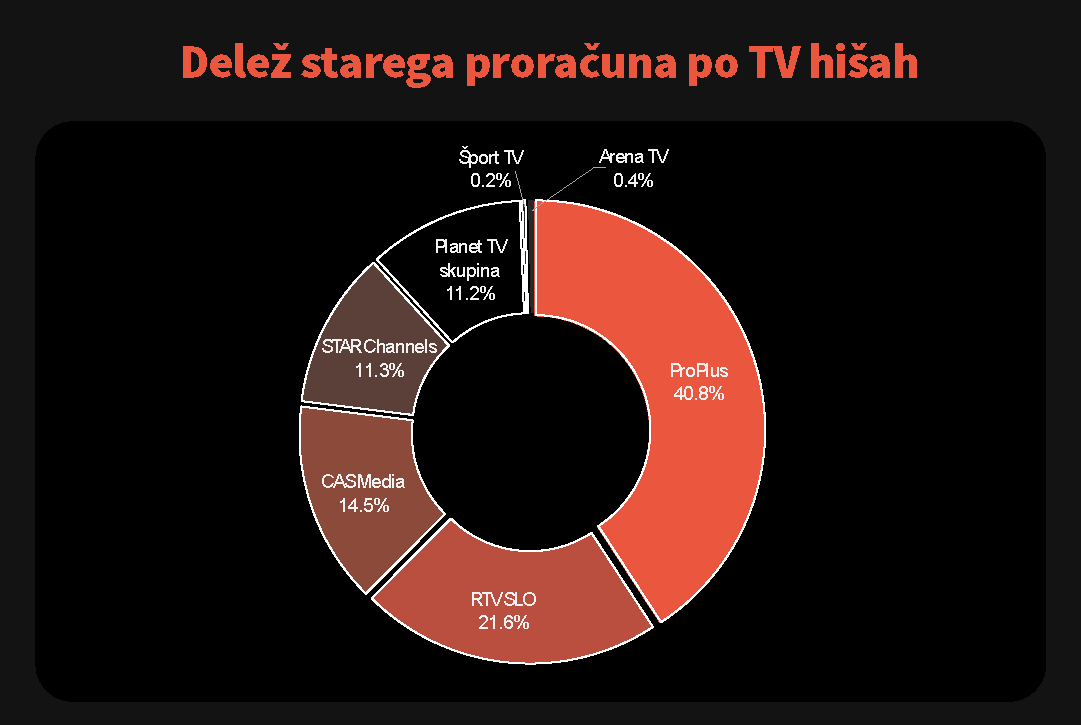
The result is a precise adjustment to the new budget that prevents agencies from buying “cheap GRPs” in media outlets that your potential customers do not consume at all or toward which they have below-average affinity.
Conclusion: A Strategy That Guides Agencies – Not the Other Way Around
Econometrix is not a tool for the operational preparation of media plans – that remains the responsibility of your media agency or internal media department.
However, Econometrix is the ultimate strategic tool for marketing leadership and executive management. It enables you to use data and mathematics to establish a clear investment framework – on an annual, semi-annual, or campaign level – and provide agencies with a robust, data-driven brief.
Ultimately, this is the only way to conduct your next media agency pitch using fully comparable, transparent, and professional criteria.
Would you like to find out how Econometrix can help optimize your brand’s media investments?
Contact us for a presentation at https://econometrix.app/en